
Walking near roads requires more than just common sense—it requires knowing the rules that keep us safe. Whether you are a daily commuter or a casual walker, these rules from The Highway Code for Pedestrian Rules (Rules 1–35) are vital. Read through this guide to brush up on your knowledge before taking our “Rules of the Road” quiz!
Results


#1. You are walking on a country road with no pavement. On which side of the road should you walk?
If there is no pavement, keep to the right-hand side of the road so that you can see oncoming traffic.
#2. You are leading a large group of people on an organised walk on the road. At night, what lights should your look-outs carry?
At night, the look-out in front should show a white light and the one at the back a red light.
#3. Which of the following clothing choices is best for making sure drivers can see you at night?
Reflective materials are best at night as they can be seen by drivers using headlights up to three times as far away. Fluorescent clothing is effective in daylight, not night.
#4. You are about to cross the road using the Green Cross Code. What is the very first step?
The first step is to find a safe place to cross where there is space to reach the pavement on the other side. 4
#5. You need to cross the road between parked cars. How should you do this safely?
If you have to cross between parked vehicles, use the outside edges of the vehicles as if they were the kerb. Stop there and check for traffic.
#6. What does a tactile paving surface (raised studs) warn you about?
Raised studs are used at crossing points with a dropped kerb to provide warning and guidance to blind or partially sighted people. 6
#7. You are waiting to cross a side road at a junction. A car is about to turn into that road. Who has priority?
If you have started crossing and traffic wants to turn into the road, you have priority and they should give way.
#8. Which type of crossing allows cyclists and pedestrians to cross safely at the same time?
Toucan crossings are light-controlled crossings which allow cyclists and pedestrians to share crossing space.
#9. You are at a Pelican crossing and the green figure begins to flash. What should you do?
When the green figure begins to flash you should not start to cross. If you have already started, you should have time to finish.
#10. How does a Puffin crossing differ from a Pelican crossing?
Puffin crossings differ as the red and green figures are above the control box on your side of the road and there is no flashing green figure phase.
#11. You are waiting at a Zebra crossing. When must traffic stop for you?
Remember that traffic does not have to stop until someone has moved onto the crossing (though drivers should give way while you wait).
#12. You see an emergency vehicle approaching with flashing blue lights and sirens. What is the correct action?
If an ambulance, fire engine, police or other emergency vehicle approaches, keep off the road.
#13. You have just stepped off a bus. Why should you not cross immediately behind or in front of it?
Never cross the road directly behind or in front of a bus, as the driver of a passing vehicle may not be able to see you.
#14. Why must you take extra care around trams?
Trams move quietly and cannot steer to avoid you.
#15. You approach a railway level crossing and the red pedestrian lights are flashing. What must you do?
You MUST NOT cross or pass a stop line when the red lights show.
#16. A crossing with a central island (staggered crossing) should be treated as:
Staggered crossings (with an island in the middle) are two separate crossings.
#17. Pedestrians are prohibited from being on which type of road (except in an emergency)?
Pedestrians MUST NOT be on motorways or slip roads except in an emergency.
#18. You are walking on a path shared with cyclists. You see a “ladder pattern” of flat-topped bars on the ground. Which side is this for?
On the pedestrian side, this may comprise a series of flat-topped bars running across the direction of travel (ladder pattern).
#19. What should you avoid doing when crossing the road?
Do not cross the road diagonally. Move to a space where drivers can see you clearly.
#20. You see a vehicle with white reversing lights on or hearing a reversing alarm. What should you do?
Never cross behind a vehicle which is reversing, showing white reversing lights or sounding a warning.
Rules for Pedestrians – Simple Guide with Examples & Images
Pedestrians are the most vulnerable road users. Whether you are walking to school, going to work, or crossing a busy road, knowing important pedestrian rules can save lives.
This guide explains the Rules for Pedestrians in a clear, friendly, and engaging way, with real-life examples and image suggestions so learners can easily understand and remember them.
Why Pedestrian Rules Are Important
Every year, thousands of road accidents involve pedestrians. Most of these accidents happen due to:
- Crossing at unsafe places
- Not paying attention to traffic
- Ignoring pedestrian signals
By following the correct rules, pedestrians can reduce accidents, stay safe, and share the road responsibly.
1. Use Pavements Whenever Available
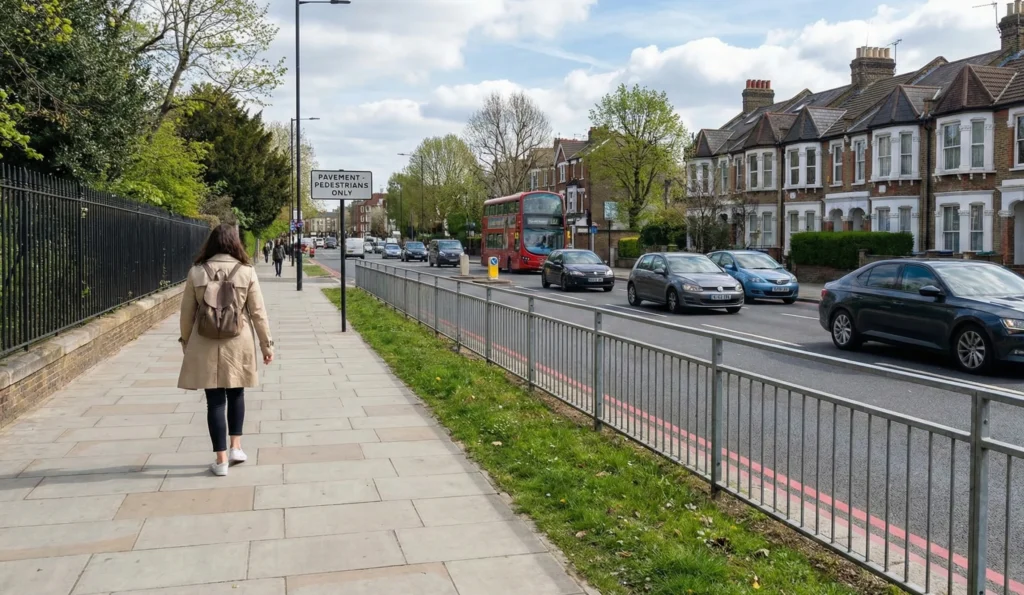
Pedestrians should always walk on the pavement or footpath if one is provided.
Example:
If there is a footpath next to the road, walk on it instead of the road.
2. Walk Facing Traffic If No Pavement
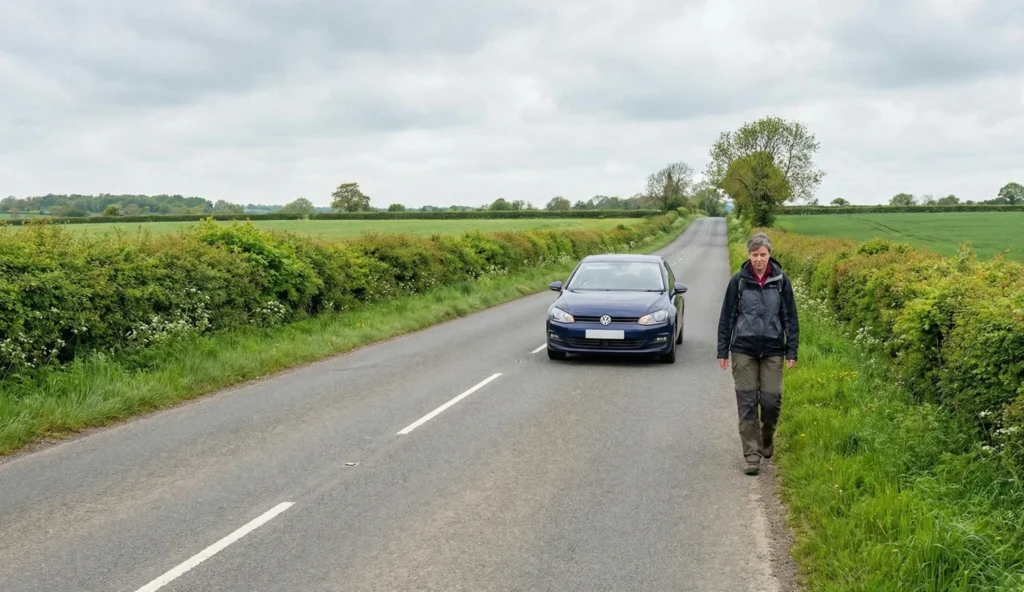
If there isn’t a sidewalk available, always walk along the right side of the road. This way, you can face oncoming traffic, which allows you to keep a safer distance from vehicles and better anticipate any potential hazards. It also helps drivers spot you from a distance, giving everyone more time to react.
Example:
On a narrow country road with no footpath, walking facing traffic helps you react quickly.
3. Stay Visible at All Times
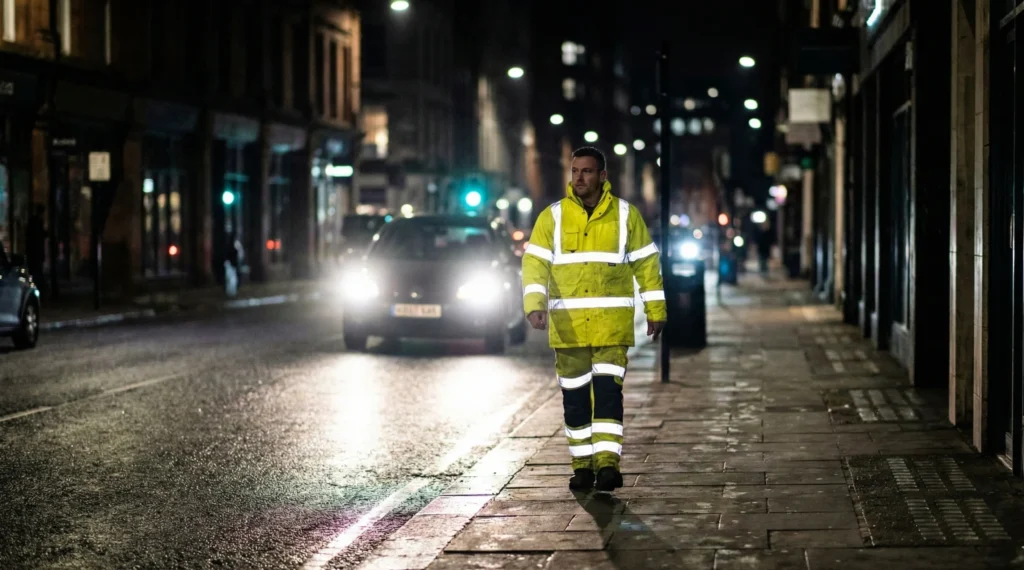
Wear bright or light-coloured clothes during the day and reflective items at night.
Example:
A pedestrian wearing a reflective jacket is visible from far away at night.
4. Children Must Be Supervised
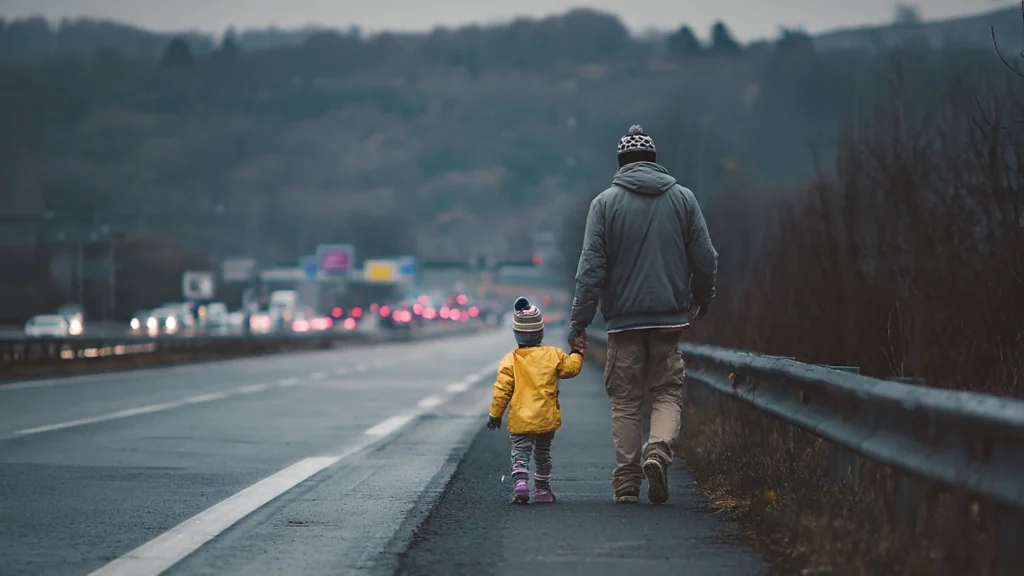
Young children should not walk alone near roads. Adults should:
- Hold their hands
- Walk between children and traffic
5. Do Not Walk on Motorways
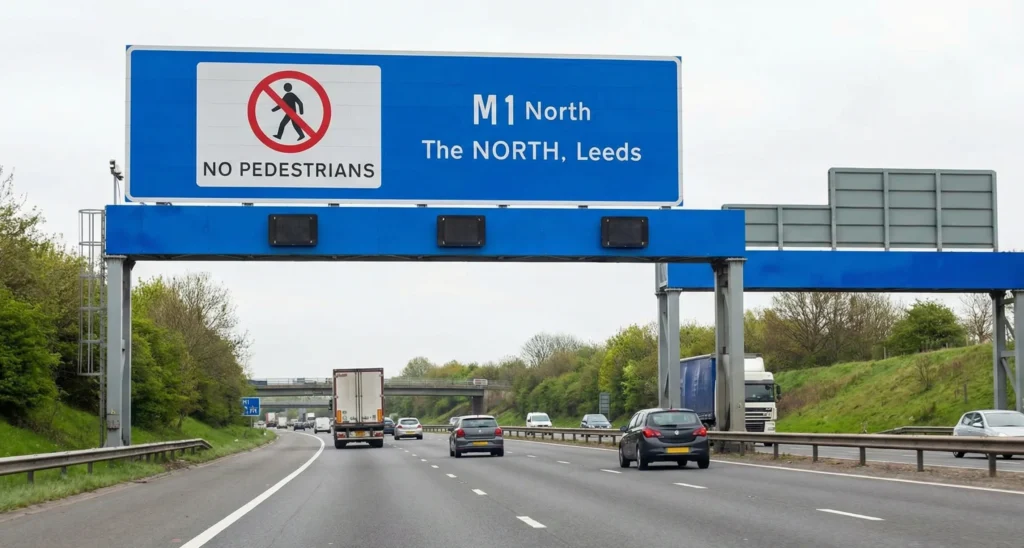
Pedestrians are NOT allowed on motorways or slip roads except in emergencies.
6. Follow the Green Cross Code (Crossing the Road Safely)
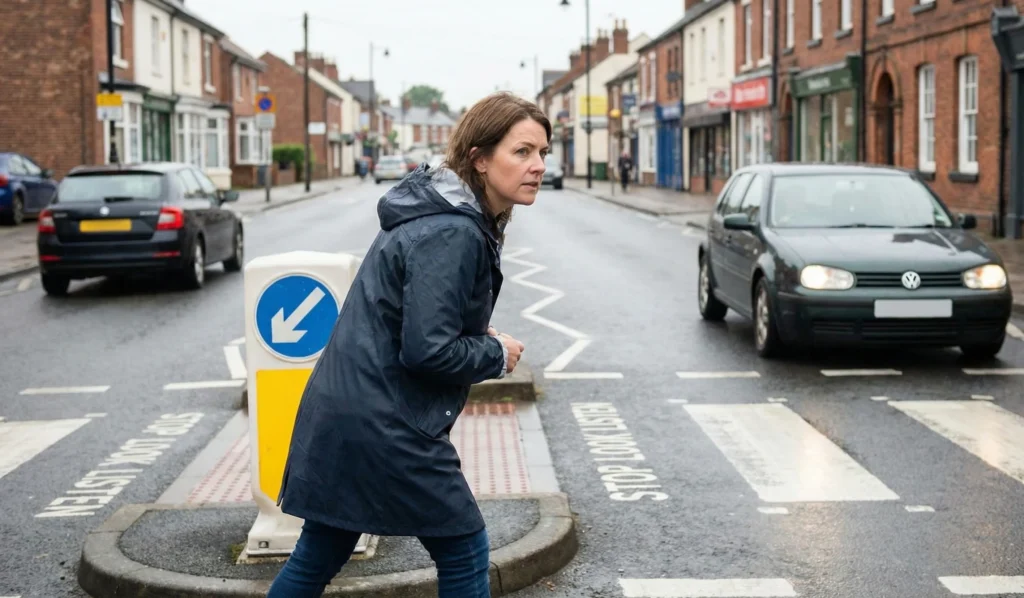
Step 1: Find a Safe Place
Use pedestrian crossings where available.
📷 Image Placeholder:
Pedestrian choosing a zebra crossing
Step 2: Stop at the Kerb
Stop before crossing and do not step onto the road suddenly.
Step 3: Look and Listen
Look right, left, then right again and listen for traffic.
Step 4: Cross Carefully
Cross directly while staying alert—keep watching and listening for traffic.
7. Pedestrians at Junctions Have Priority
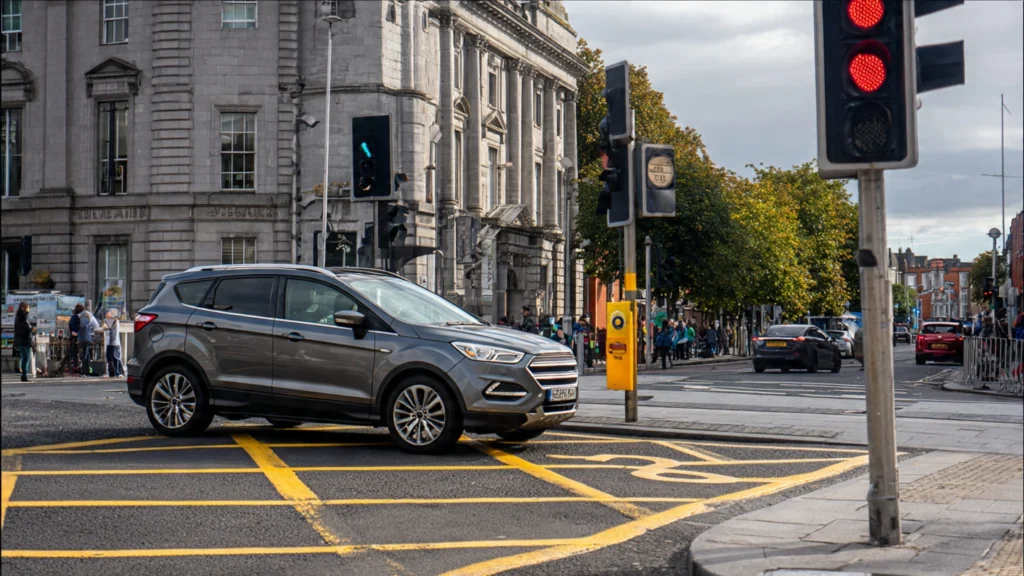
When crossing at a junction, turning vehicles should give way to pedestrians already crossing.
8. Use Pedestrian Barriers Correctly
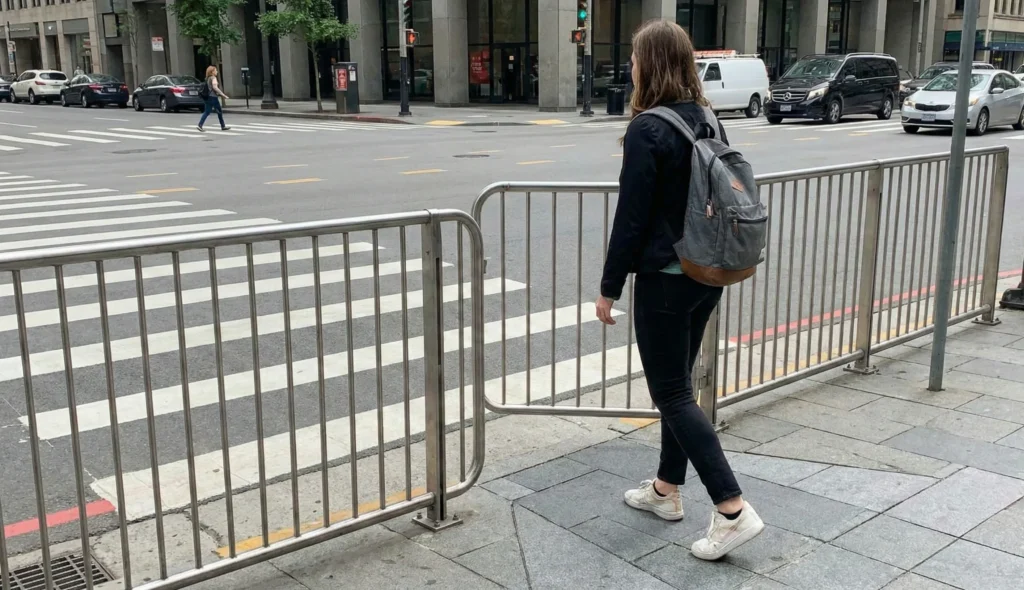
Cross only at gaps in barriers. Never climb over them.
9. Understand Tactile Paving
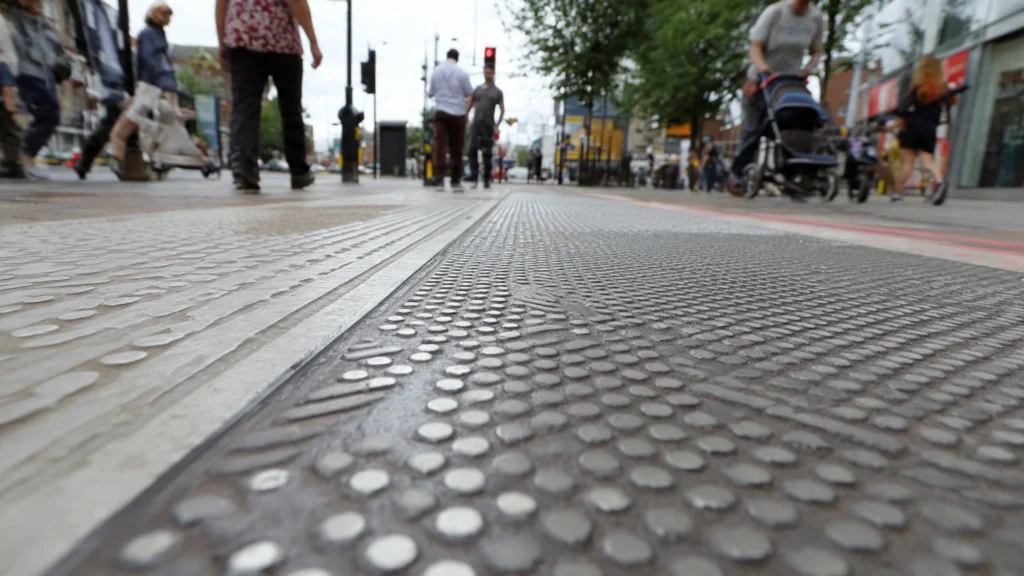
Raised surfaces help blind or partially sighted people know where to stop or cross.
10. Be Careful on One-Way Streets
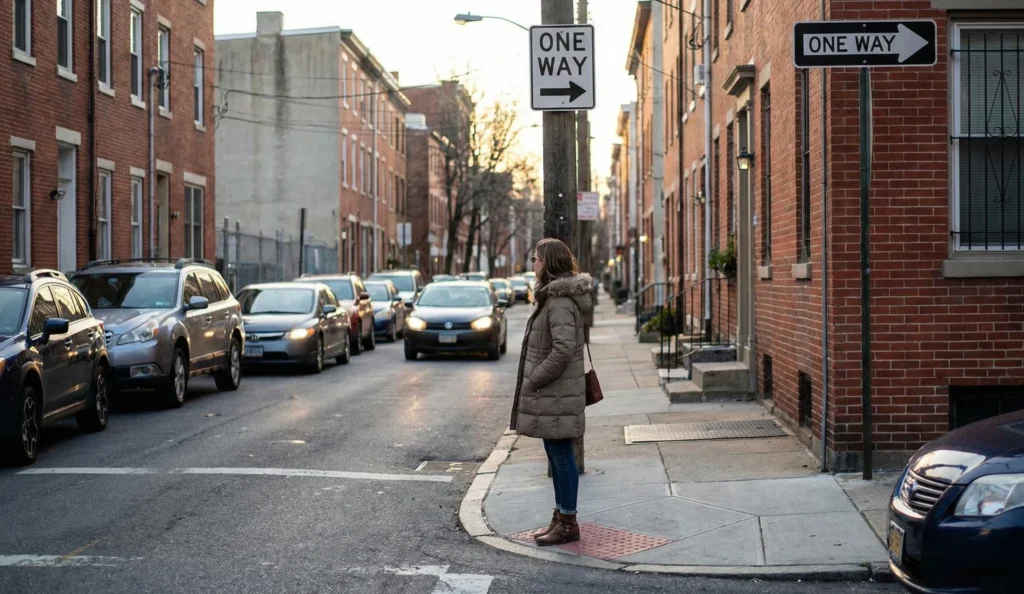
Always check the direction of traffic, including bus or cycle lanes.
11. Zebra Crossings
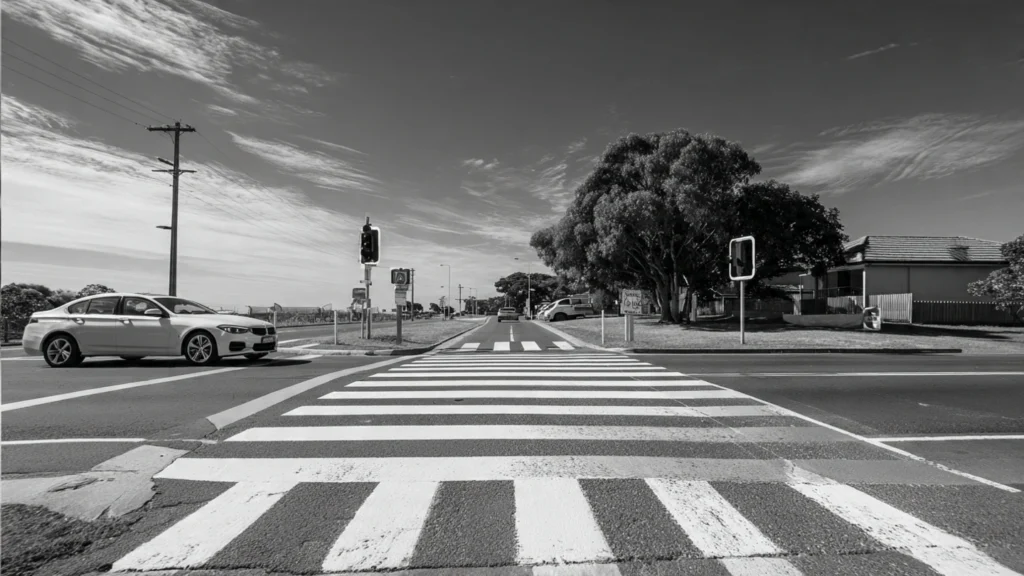
At zebra crossings:
- Make sure traffic has stopped
- Keep looking while crossing
12. Traffic Light Crossings
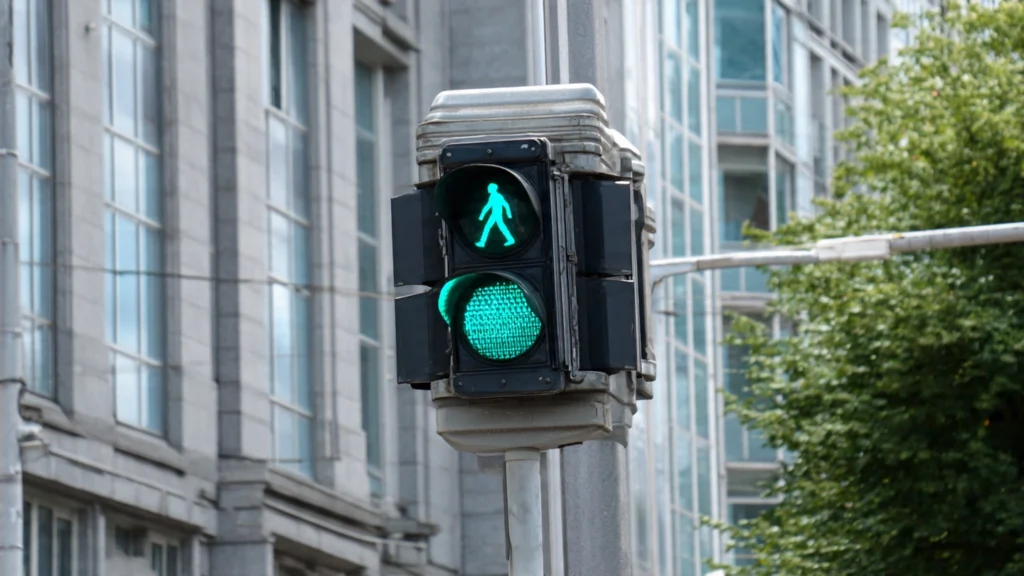
Cross only when the green man appears.
If it starts flashing, do not begin crossing.
13. Pelican, Puffin & Toucan Crossings
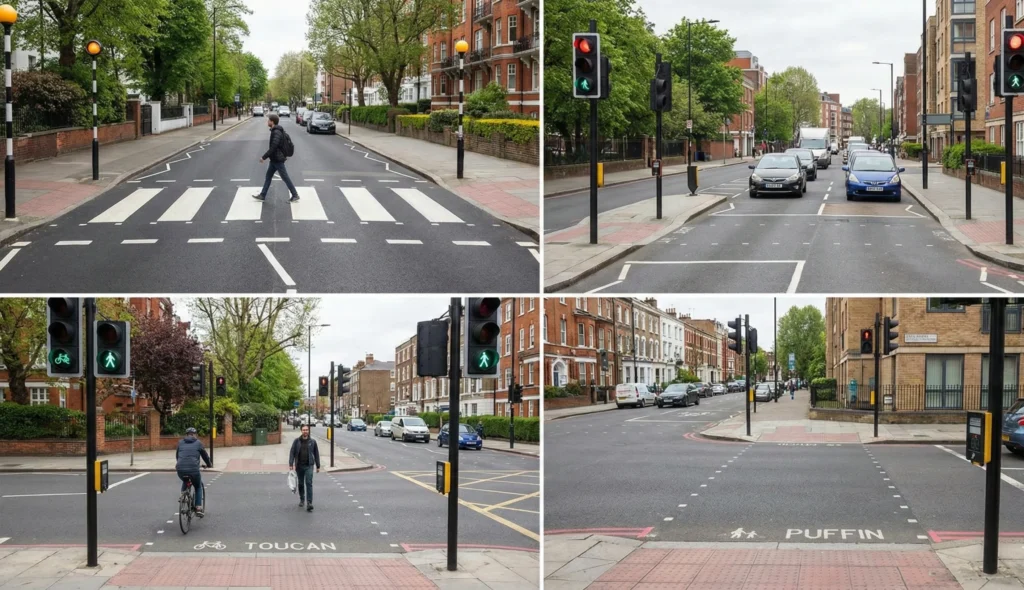
- Pelican: Flashing green before red
- Puffin: Sensors detect pedestrians
- Toucan: Pedestrians and cyclists cross together
14. Never Cross Behind Large Vehicles
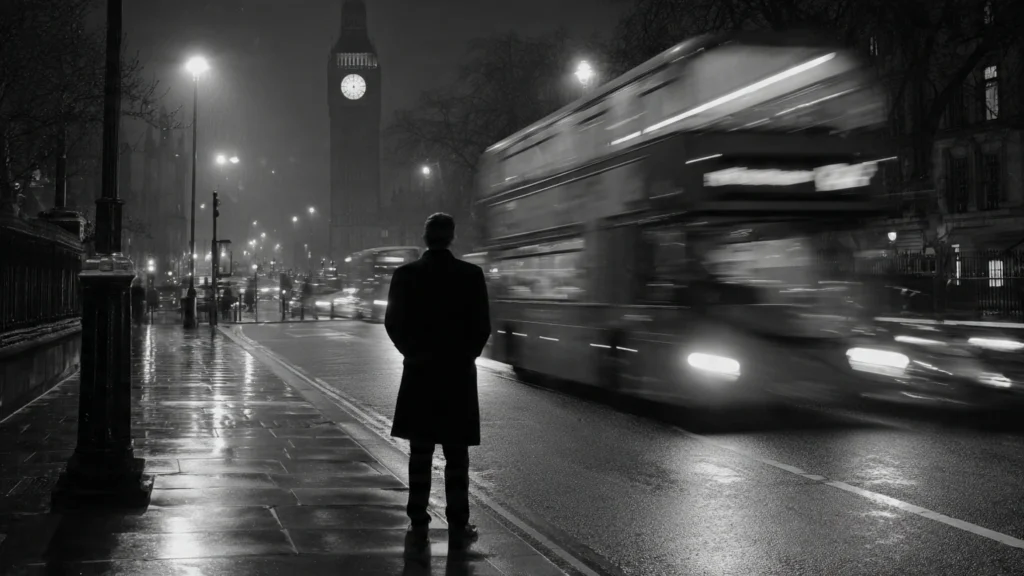
Large vehicles can block your view and drivers may not see you.
15. Be Extra Careful at Night

Cross near street lights and wear reflective clothing.
16. Railway Level Crossings
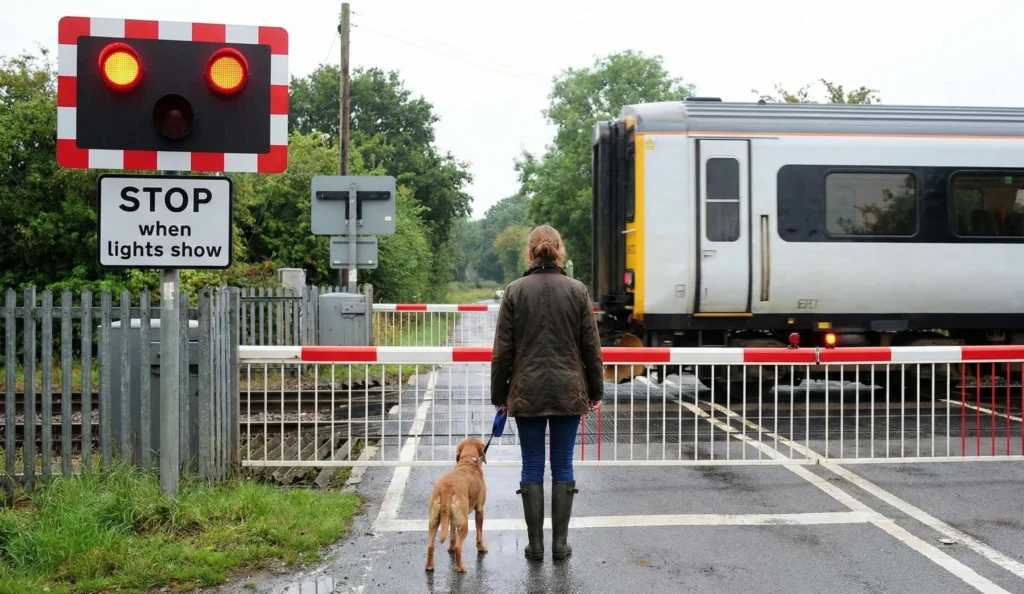
Never cross when:
- Red lights are showing
- Alarm is sounding
- Barriers are closing
17. Emergency Vehicles
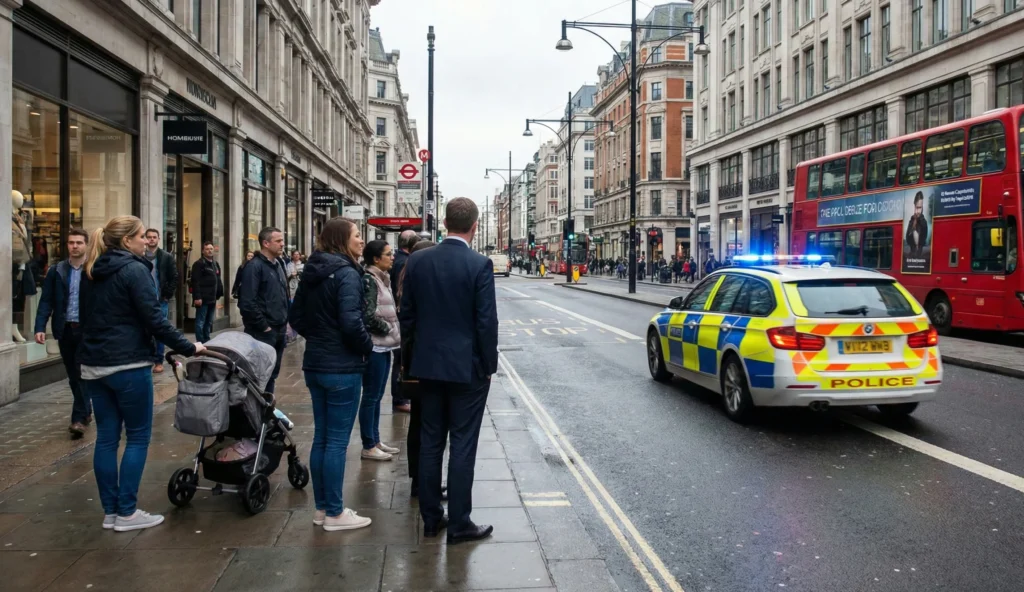
If you hear sirens or see flashing lights, stay off the road.
Final Safety Tips for Pedestrians
✔ Avoid mobile phones while walking
✔ Do not rush while crossing
✔ Always stay alert
✔ Set a good example for children
Conclusion
Pedestrian rules are simple but extremely important. By following these rules, pedestrians can protect themselves, reduce accidents, and make roads safer for everyone.
👉 Read carefully, view the images, and test your knowledge with our quiz below!
If you want to learn moe with quizzes, follow our quiz page