
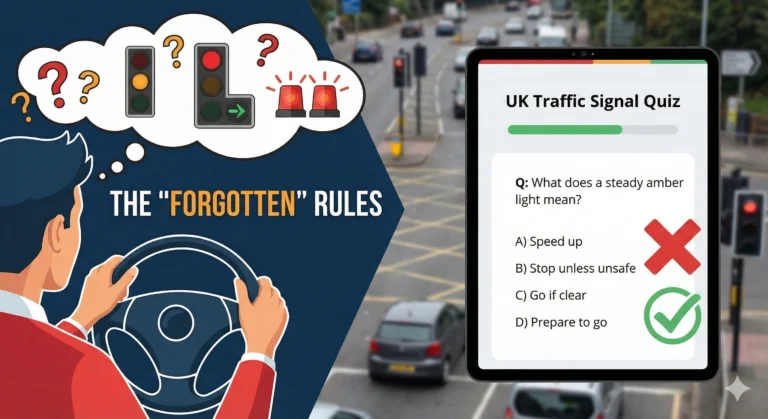
The Ultimate Guide to UK Traffic Light Signals
While every driver knows that Red means Stop and Green means Go, the UK Highway Code contains specific sequences and “qualified” signals that catch thousands of learners out every year. Understanding these isn’t just about passing a test; it’s about navigating complex junctions safely and legally.
Results


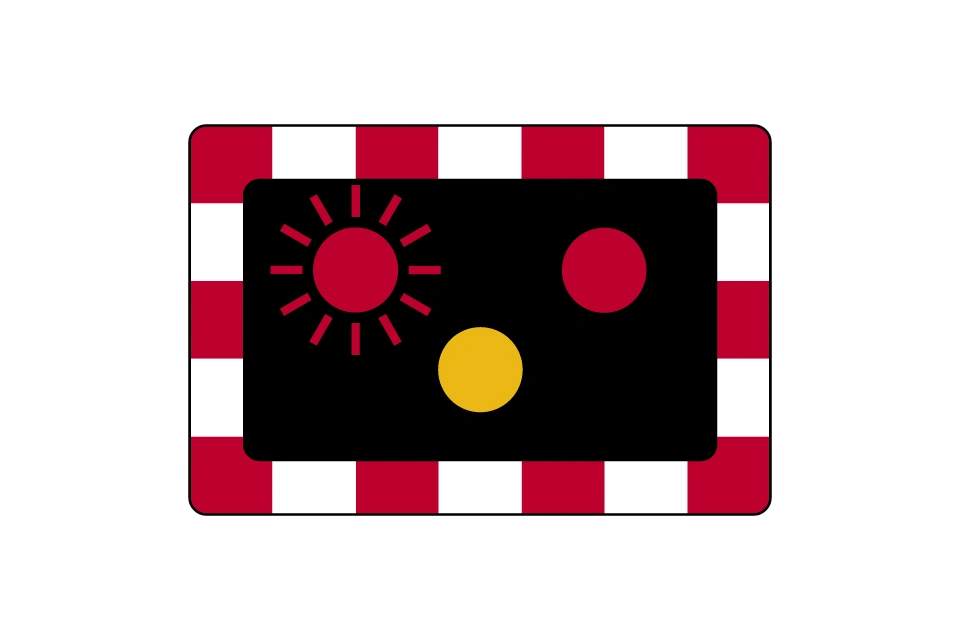
#1. What must you do when you see twin flashing red lights at a level crossing or fire station?
Flashing red lights are used at level crossings, airfields, and fire stations. You MUST stop when they flash.
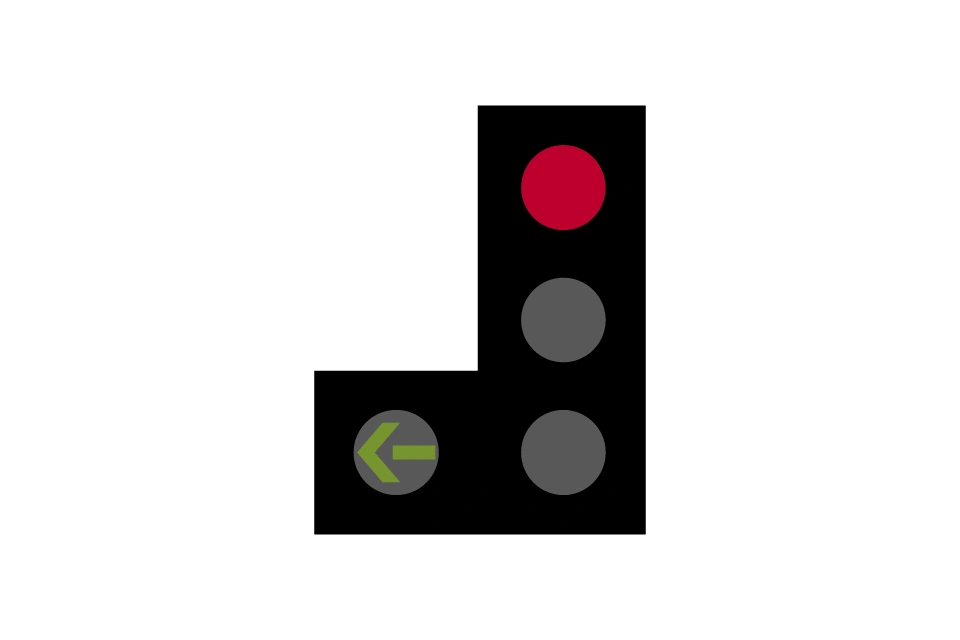
#2. A green arrow is shown along with a red light. What does this mean?
If a green arrow is shown with a red signal, you may go only in the direction of the arrow, provided the way is clear.
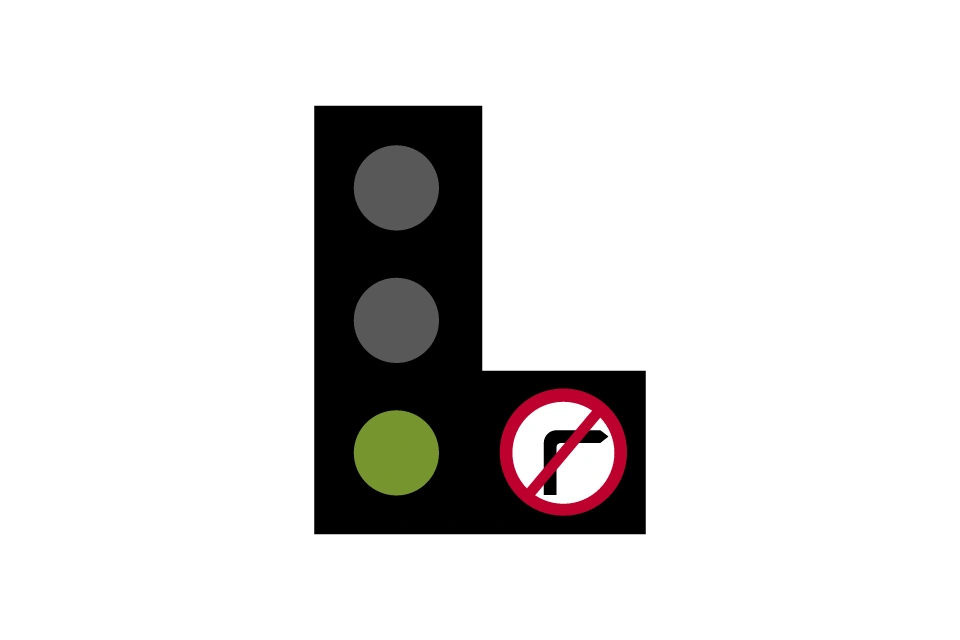
#3. What is the purpose of a sign (like ‘No Right Turn’) being placed next to a full green light?
Signs are often placed with signals to restrict specific movements (like a right turn) even when the main light is green.
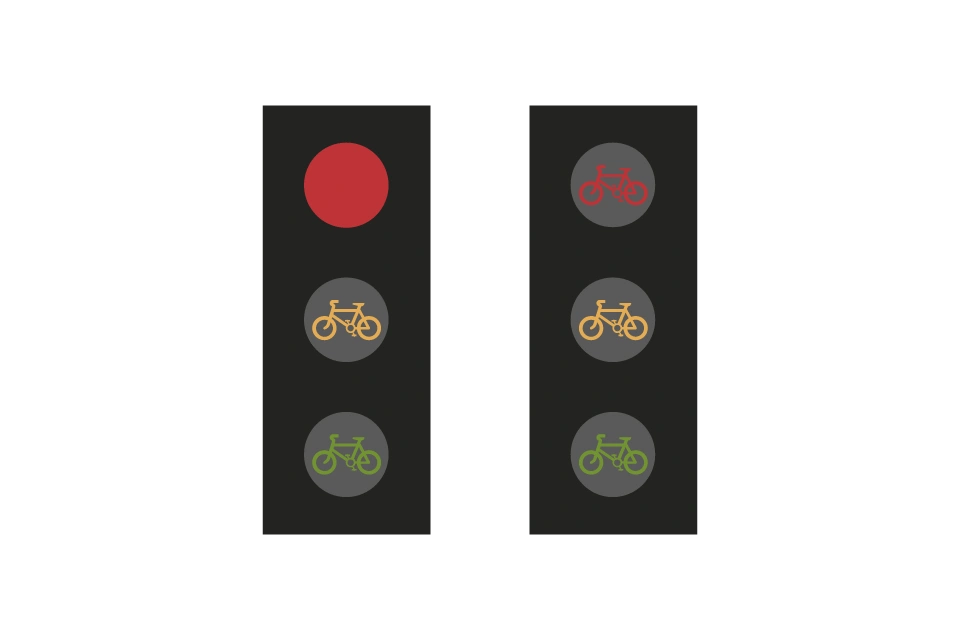
#4. What do the red, amber, and green cycle signals mean?
Cycle signals (Red, Amber, and Green) follow the same rules as standard traffic lights but are specifically for pedal cycles.
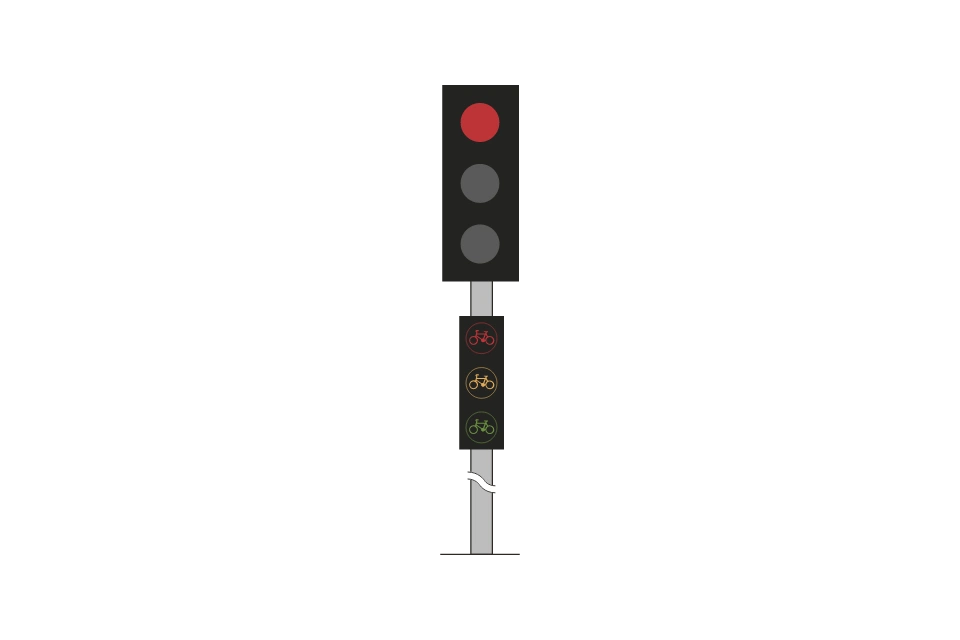
#5. Where would you typically find a “low-level” cycle signal?
Low-level cycle signals are mounted lower down to be easily seen by cyclists and can provide an “early release” for them.
#6. What does a steady amber light mean at a level crossing or lifting bridge?
Amber has the same meaning at these locations as it does at normal junctions (Stop unless it is unsafe to do so).
#7. If you see a green arrow pointing left and a red light, when can you move left?
You may proceed in the direction of the arrow, but only if the way is clear and it is safe to do so.
#8. Which of these locations might use the twin flashing red light signal?
In addition to level crossings, these signals are used at lifting bridges, airfields, and fire stations.

#9. What is the meaning of the RED and AMBER lights showing together?
Red and Amber together still mean STOP. You must not pass the stop line until the light changes to Green.
#10. What should you do if the primary signal at a junction is not working?
Secondary signals are located on the opposite side of a junction. If the primary signal fails, you must obey the secondary one as if it were the primary.
The Standard Light Sequence
In the UK, traffic lights follow a specific four-stage cycle. Missing the nuance of these stages is a common reason for theory test failure:
- RED: This means STOP. You must wait behind the white stop line on the carriageway until the green light shows.
- RED and AMBER: This combination also means STOP. You must not pass the stop line or move off yet, as the junction is still clearing.
- GREEN: You may proceed ONLY IF THE WAY IS CLEAR. You must take extra care to give way to pedestrians who are already crossing and watch for vehicles turning across your path.
- AMBER: This means STOP. You should only proceed if the amber appears after you have already crossed the stop line, or if you are so close to it that stopping suddenly might cause an accident.
Secondary Signals: Your Safety Backup
A common question in our Traffic Signal Quiz involves Secondary Signals. In most cases, there are duplicate signals located on the opposite side of the junction. If your primary signal (the one at the stop line) is obscured or not working, you must obey the secondary signal as if it were the primary one.
Filter Arrows and Restricted Movements
Often, you will see a Green Arrow (filter light) alongside a red light. This indicates that you may proceed, but only in the direction shown by the arrow, provided the way is clear. Furthermore, specific signs like a “No Right Turn” sign may be placed next to a full green light. This “qualifies” the green signal, meaning that while the light is green, your movement through that junction is still restricted by the sign.
Specialised Signals for Cycles and Hazards
Modern UK roads increasingly use low-level cycle signals. These are mounted lower on the post as a repeater or an “early release” function, giving cyclists a head start before the main motor traffic is allowed to move. Cycle signals (Red, Amber, and Green) have the same meanings as standard traffic signals.
Additionally, drivers must be alert for twin flashing red lights. These are found at high-risk locations like:
- Level crossings
- Airfields
- Lifting bridges
- Fire stations
When the RED lights are flashing, you MUST stop. The AMBER light at these locations has the same meaning as at normal traffic signals.